
Last updated September 25, 2026
ADU Warning Signs: A Chino Hills Homeowner’s Reference Guide
An ADU proposal that uses the phrase “estimated permit fees” instead of citing the actual Chino Hills Building & Safety fee schedule is already telling you the contractor hasn’t pulled a permit in this jurisdiction recently. After 900 ADUs designed, permitted, and built since 2015, we’ve learned that the warning signs of a failing project appear in the paperwork, not the plywood. Most homeowners in Chino Hills neighborhoods like Oak Tree Downs, Rolling Ridge, and Vellano discover problems six months in, when the foundation is poured and the city rejects the permit set. This guide shows you how to spot failure before you spend a dollar on construction, and our more guides & resources cover every phase of the ADU process.
Quick Answer
The most dangerous ADU warning signs hide in proposals and contracts: allowance line items exceeding 15% of total budget, generic California code references instead of Chino Hills municipal citations, and warranty clauses that exclude “acts of the permit authority.” A homeowner who reviews these documents before signing can exit a bad deal before breaking ground, as detailed in DIY vs Professional ADU: The Chino Hills Homeowner’s Decision Guide. Verify any contractor’s actual local track record through CSLB license lookup and San Bernardino County permit history, not just a reference list.
Table of Contents
- Proposal Red Flags: What the Paperwork Reveals Before Ground Breaks
- Contract Clauses That Signal Trouble
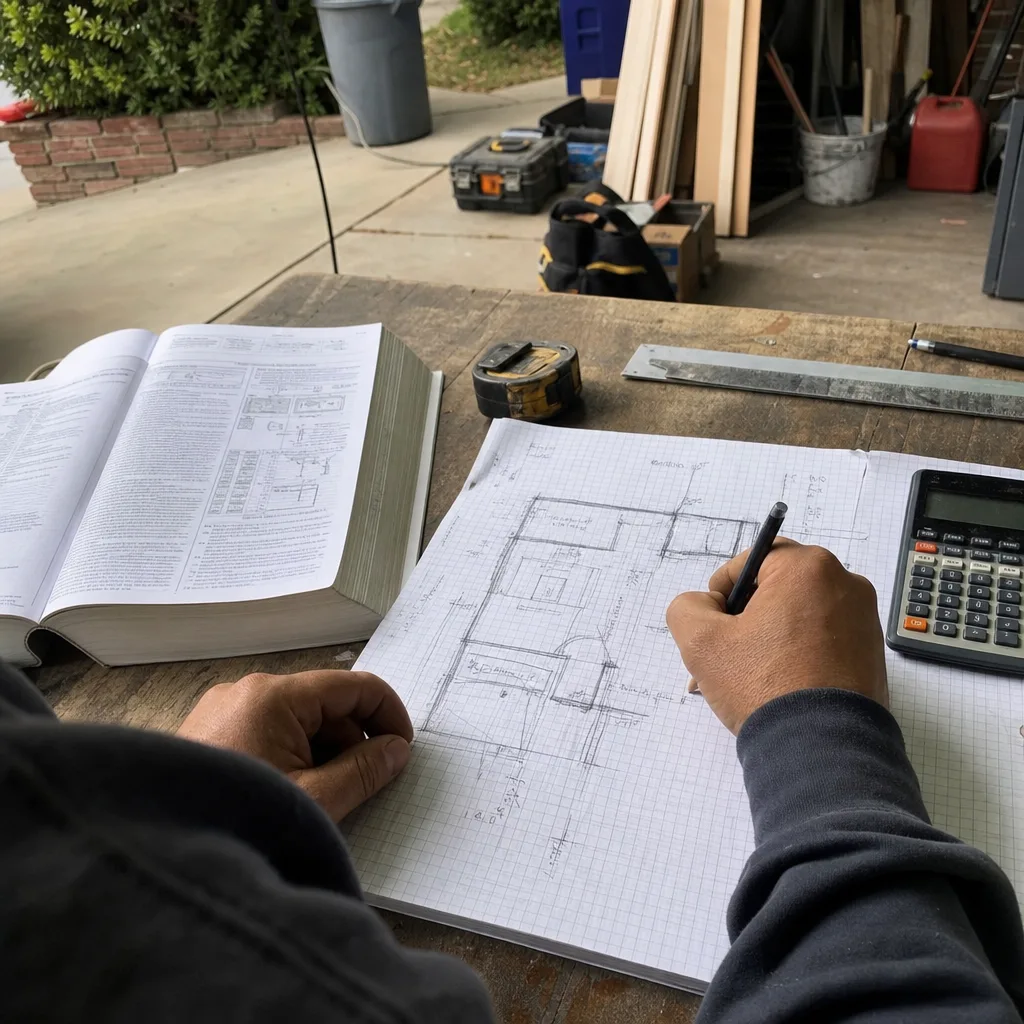
- Design Documentation: Permit Sets vs. Sketchy Drawings
- Mid-Construction Warning Signs
- How to Verify a Contractor’s Actual Chino Hills Track Record
- Chino Hills-Specific Risks: Hillside, Fire Zone, and HOA Constraints
- Common Mistakes to Avoid
- When to Call a Professional
- Frequently Asked Questions
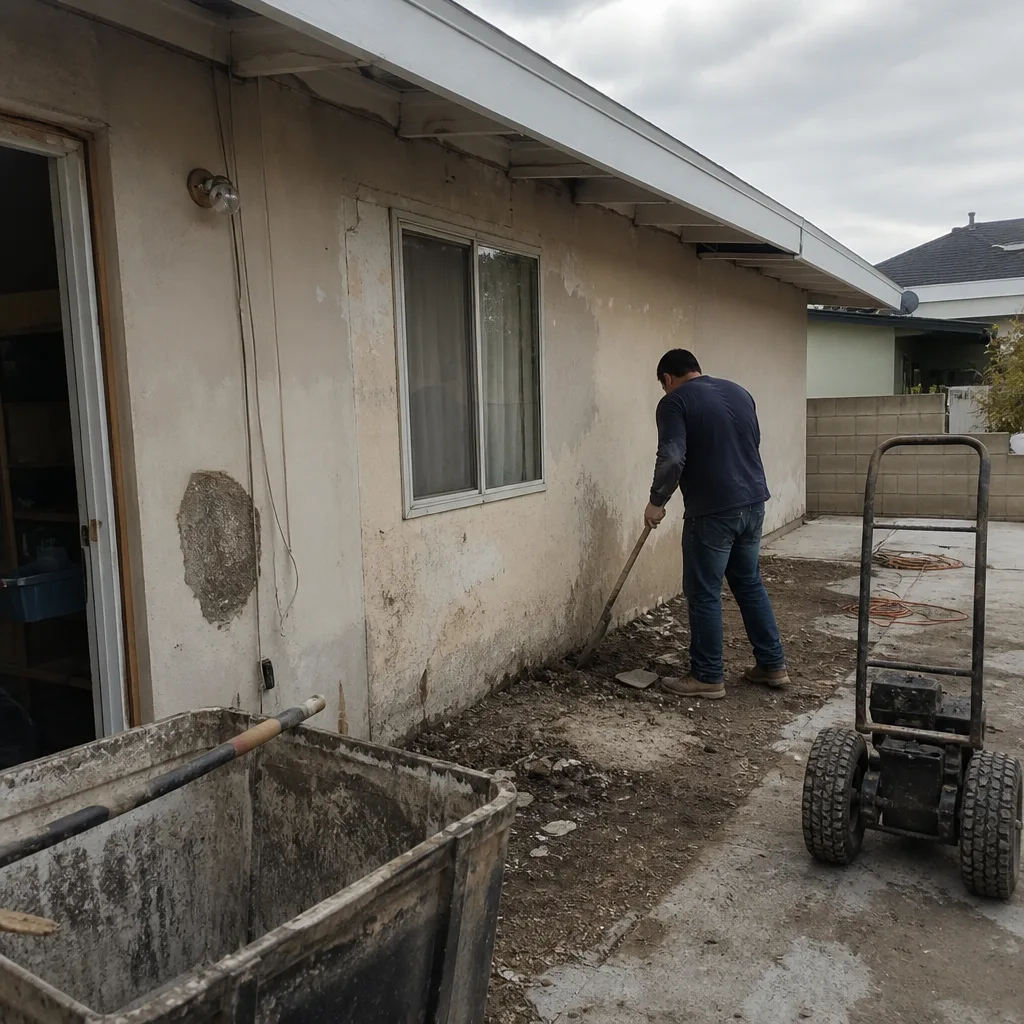 Before
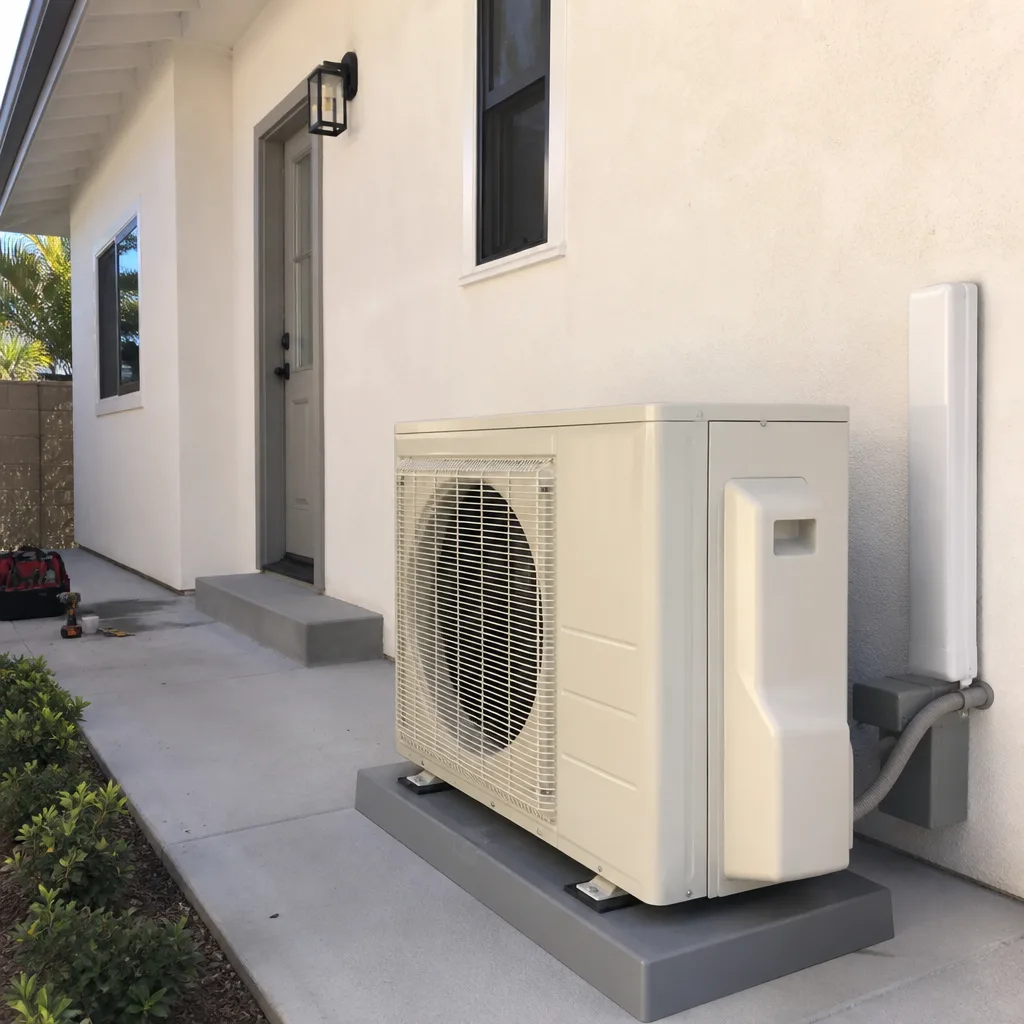 After
AfterProposal Red Flags: What the Paperwork Reveals Before Ground Breaks
The proposal is where most ADU projects fail, quietly, in advance. A proposal is a promise in writing. When that writing is vague, the promise is worthless.
Here are the specific warning signs we look for when reviewing competitor proposals during our Free Second Opinion consultations in Chino Hills.
Allowance Line Items Over 15% of Total Budget
An “allowance” is a placeholder dollar amount for finishes the contractor hasn’t priced yet. Tile, flooring, fixtures. A proposal with allowances totaling more than 15% of the project budget is a proposal that hasn’t been thought through. Worse, it’s a budget that will grow. We’ve seen Chino Hills homeowners sign proposals with 40% in allowances, then face $40,000 in change orders before drywall.
At Ellery ADU Studio, our written price under Haven Standard Clause 1 specifies every material and finish before work starts. No allowances. No surprises.
No Reference to a Specific Permit Set
A proposal that says “permits included” without naming the specific drawings, the plan-check jurisdiction, or the revision protocol is a proposal from someone who views permitting as an afterthought. The permit set is the core product. It should be named: architectural plans, structural calculations, Title 24 energy compliance, electrical and plumbing plans. Each drawing should reference the applicable code cycle.
Chino Hills adopted the 2022 California Building Code with local amendments. A proposal that cites only “CBC” without the Chino Hills municipal code supplement hasn’t done the homework.
Timeline That Omits City Plan-Check Duration
Chino Hills Building & Safety currently runs 4 to 6 weeks for initial ADU plan check, with one correction cycle typical. A proposal that shows “permitting: 2 weeks” is either ignorant or lying. Either way, the project timeline is fiction, and the contractor will pressure you to start construction before permit issuance, which voids your inspection sequence and can trigger stop-work orders.
Single-Page Scope Description
A six-figure construction project described in one page is not a scope. It’s a sketch. The Haven Standard requires a written scope with line-item pricing for every trade: demolition, foundation, framing, roofing, MEP, insulation, drywall, finishes. Our clients receive this before signing. Anything less is unverifiable.
Missing Utility Coordination Detail
Chino Hills sits at the intersection of Southern California Edison, San Bernardino County Special Districts, and Golden State Water service territories depending on your parcel. A proposal that says “utilities handled” without naming the provider, the service upgrade requirements, and the trenching route hasn’t investigated your site. We’ve found unmapped septic systems in rural Chino Hills parcels and Edison transformers undersized for ADU loads in Oak Tree Downs. These discoveries belong in the proposal, not after excavation.
Contract Clauses That Signal Trouble
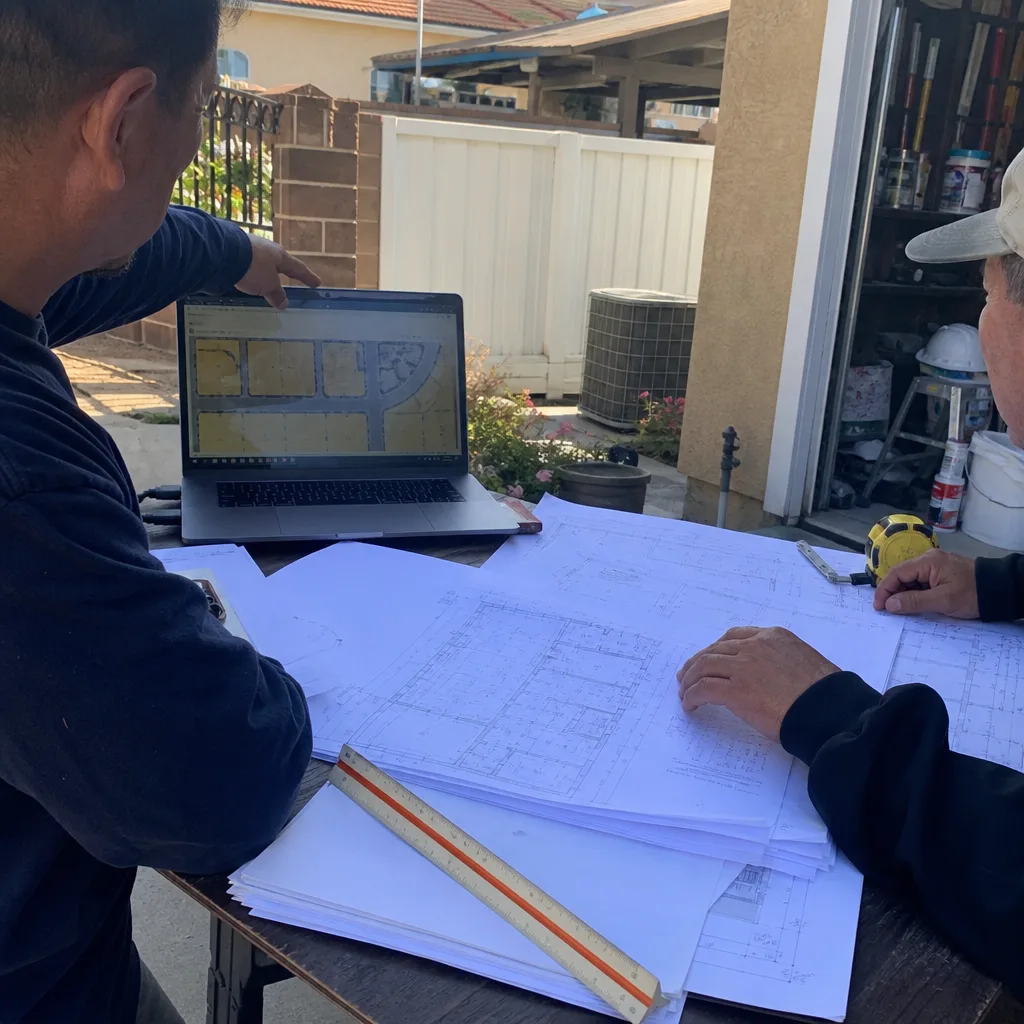
The contract is where vague proposals become enforceable nightmares. These are the clauses that separate professional design-build studios from operators who will cost you sleep and money.
No Lien Release Schedule
California law protects homeowners who pay contractors, but only if you collect unconditional lien releases from every subcontractor and material supplier at each payment milestone. A contract without a lien release schedule, tied to progress payments, exposes you to double payment risk. We’ve seen Chino Hills homeowners pay their general contractor in full, then face a $12,000 material supplier lien because the contractor never paid the lumberyard.
Under Haven Standard Clause 3, we provide notarized lien releases with every draw request, before the next phase begins.
Change-Order Authorization Threshold Above $500
A contract that lets the contractor proceed with extras up to $1,000 or $2,500 without your written approval is a contract that will accumulate surprises. Our threshold is $0. Any deviation from the written scope requires your signature. This is how we maintain the fixed price promised under Clause 1.
Warranty Language Excluding “Acts of the Permit Authority”
This clause appears in contracts from contractors who have been burned by city corrections. It means: if the inspector finds a code violation, you’re paying to fix it, even if the contractor built what they drew. This destroys the design-build advantage. The whole point of a single contract is that the same entity responsible for the drawings is responsible for the construction. A warranty that excludes permit authority acts is a warranty that excludes the warranty.
Our 365-Day Done Right Promise covers construction to the permitted drawings, period. If the city requires a correction, we make it right.
Missing Insurance Certificate Requirements
The contract should specify: general liability ($2 million minimum), workers’ compensation (statutory), and builder’s risk for the project value. It should require certificates of insurance naming you as additional insured, delivered before work starts. A contract that says “fully insured” without these specifics is unenforceable fluff.
No Written Price Before Work Starts
This seems obvious, but we regularly review competitor estimates that include language like “final price subject to field verification” or “allowances to be reconciled at completion.” These are not written prices. They are invitations to renegotiate. Haven Standard Clause 1 is absolute: the price is fixed at signing, documented in writing, with no door-side upsells.
Design Documentation: Permit Sets vs. Sketchy Drawings
The quality of the permit set predicts the quality of everything that follows. A thin permit set means thin oversight, thin accountability, and a high probability of construction-phase problems.
Drawings That Reference Generic California Code
Chino Hills has municipal amendments to the California Building Code, California Residential Code, and California Energy Code. The most consequential for ADUs: hillside development restrictions in the northern fire hazard severity zones, parking replacement requirements for garage conversions, and specific setback reductions allowed under state ADU law that the city has chosen to implement with local conditions.
A permit set that cites only “CBC” or “CRC” without Chino Hills Municipal Code chapter and section references has not been prepared for this jurisdiction. It will be rejected at plan check, or worse, approved with conditions that surprise you mid-construction.
Missing Title 24 Compliance Documentation
Every ADU in California requires Title 24 energy compliance documentation: the CF-1R form, the compliance software output, the prescriptive or performance approach selection. A permit set without these forms is incomplete. We’ve reviewed competitor sets where the Title 24 was “to be provided by contractor,” meaning it wasn’t designed into the project. In Chino Hills, with summer cooling loads driven by inland heat and winter heating needs in hillside zones, energy compliance affects insulation, window specification, and HVAC sizing. It cannot be an afterthought.
Site Plans That Don’t Show Utility Easements
Chino Hills utility corridors, particularly in older neighborhoods like Country Club Estates and western Chino Hills near the 71 corridor, contain unmapped or poorly recorded easements. A site plan that shows only property lines, without utility easements, drainage swales, and recorded access rights, is a site plan that will collide with reality when the trenching starts.
Our permit sets include a full title review and utility mapping phase before construction documents are finalized. This costs time upfront. It saves weeks of delay later.
Structural Calculations Not Stamped by California-Licensed Engineer
Any ADU with structural modifications, hillside foundations, or roof conversions requires calculations stamped by a civil or structural engineer licensed in California. A permit set with “engineer to be determined” or calculations stamped by an out-of-state professional is not submittable to Chino Hills Building & Safety.
Mid-Construction Warning Signs
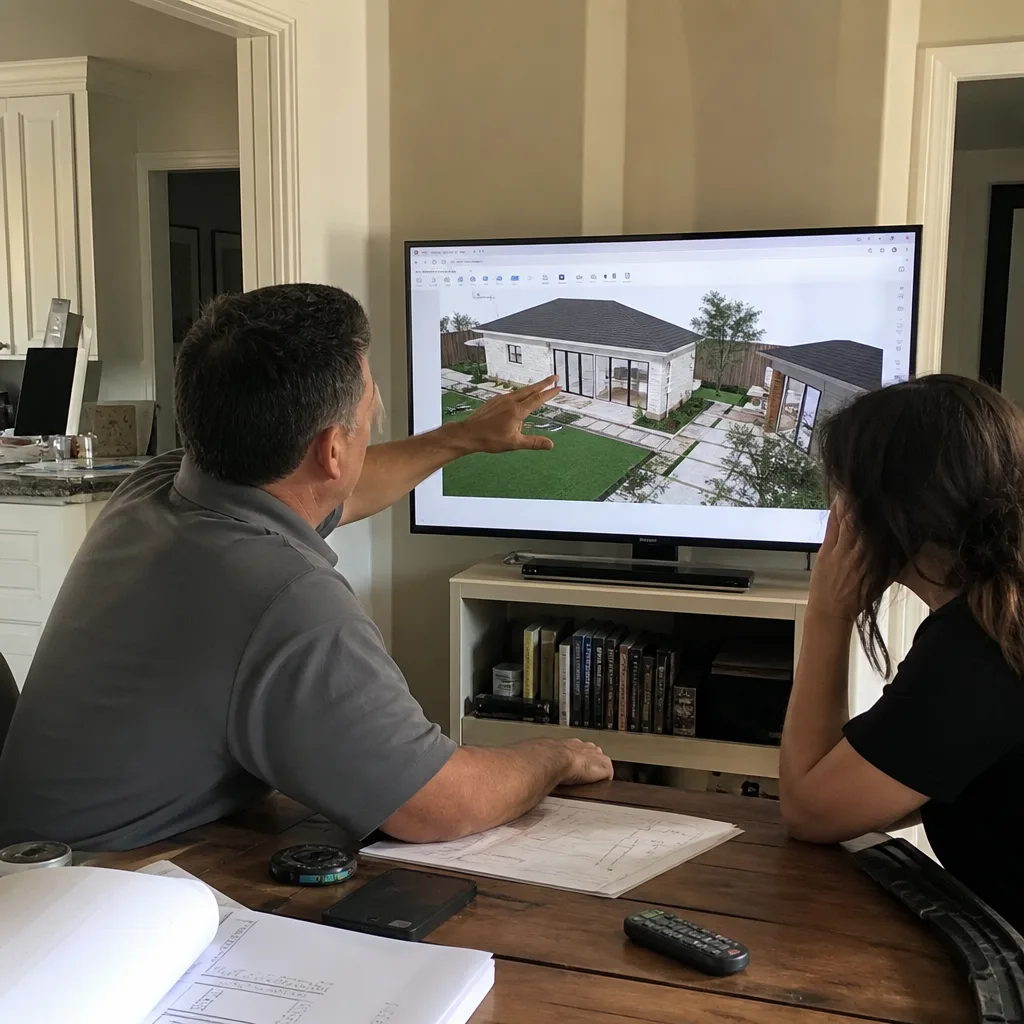
Even with clean paperwork, problems emerge during construction. These are the field indicators that your project is off track.
- Framing proceeds before rough inspection sign-off. In Chino Hills, the inspection sequence is: foundation, under-floor plumbing, under-floor electrical, framing/rough mechanical, insulation, drywall nailing, final. A crew that closes walls before the framing inspector signs the green tag is building uninspectable work. If you see drywall going up and the permit card has no rough inspection stamp, stop the job.
- Subcontractor substitutions without written homeowner notice. Your contract names specific trades or requires approval for substitutions. A new plumbing crew appears without documentation, that’s a breach. It also means the original subcontractor may not have been paid, which generates lien risk.
- Permit card not posted on site. Chino Hills requires the issued permit card, with inspection record, to be posted visible from the street. No card means no permit, or permit not pulled for this scope. We’ve seen “permitted” ADU projects where only the demolition permit was issued, and the building permit was still in plan check. The homeowner didn’t know until the inspector arrived.
- Materials that don’t match the approved plans. The permit set specifies: insulation R-value, window U-factor and SHGC, roofing class, lumber grade. Substitutions require approved plan amendments. If you see different windows going in, ask for the approved revision. If there isn’t one, the final inspection will fail.
- No documented photo record. You should receive dated, geotagged photos of each phase: pre-construction conditions, foundation, framing, MEP rough, insulation, finishes. This is evidence of what was built, not a summary of how it felt. Under Haven Standard Clause 4, our clients receive this record automatically. Its absence elsewhere is a red flag.
How to Verify a Contractor’s Actual Chino Hills Track Record
Reference lists are curated. Permit histories are not. Here’s how to investigate what a contractor has actually built in Chino Hills.
Step 1: CSLB License Lookup
Visit cslb.ca.gov and enter the license number. Verify: active status, classification (B-General Contractor for ADU construction, C-36 for plumbing if they’re self-performing), workers’ compensation coverage, and disciplinary history. A suspension or revocation in the past five years is disqualifying. Note the license issue date, not the contractor’s claimed “years in business.” These often differ.
Step 2: San Bernardino County Permit History Search
Chino Hills Building & Safety maintains permit records searchable by property address or contractor license number. Request the contractor’s permit pull history for the past three years. Look for: ADU-specific permits (not just kitchen remodels), completions with final inspection passed, and frequency of permit corrections or re-inspections. A contractor with ten ADU permits and three completions has a problem.
Step 3: Ask for the Specific Project Addresses
A reference list with first names and phone numbers is unverifiable. Ask for three Chino Hills ADU project addresses from the past two years. Drive by. Look at the work. Then search those addresses in the county permit database to confirm the contractor was the permit holder, not a subcontractor claiming the project.
Step 4: Verify Insurance Directly
Call the contractor’s insurance agent, not the contractor, to confirm coverage amounts and policy dates. Request a certificate naming you as additional insured before work begins. A contractor who resists this step is a contractor with something to hide.
Step 5: Search Court Records
San Bernardino County Superior Court records are searchable online for civil cases. A contractor with multiple homeowner lawsuits, mechanics lien filings against them, or bankruptcy proceedings is not a contractor for a six-figure project.
Chino Hills-Specific Risks: Hillside, Fire Zone, and HOA Constraints
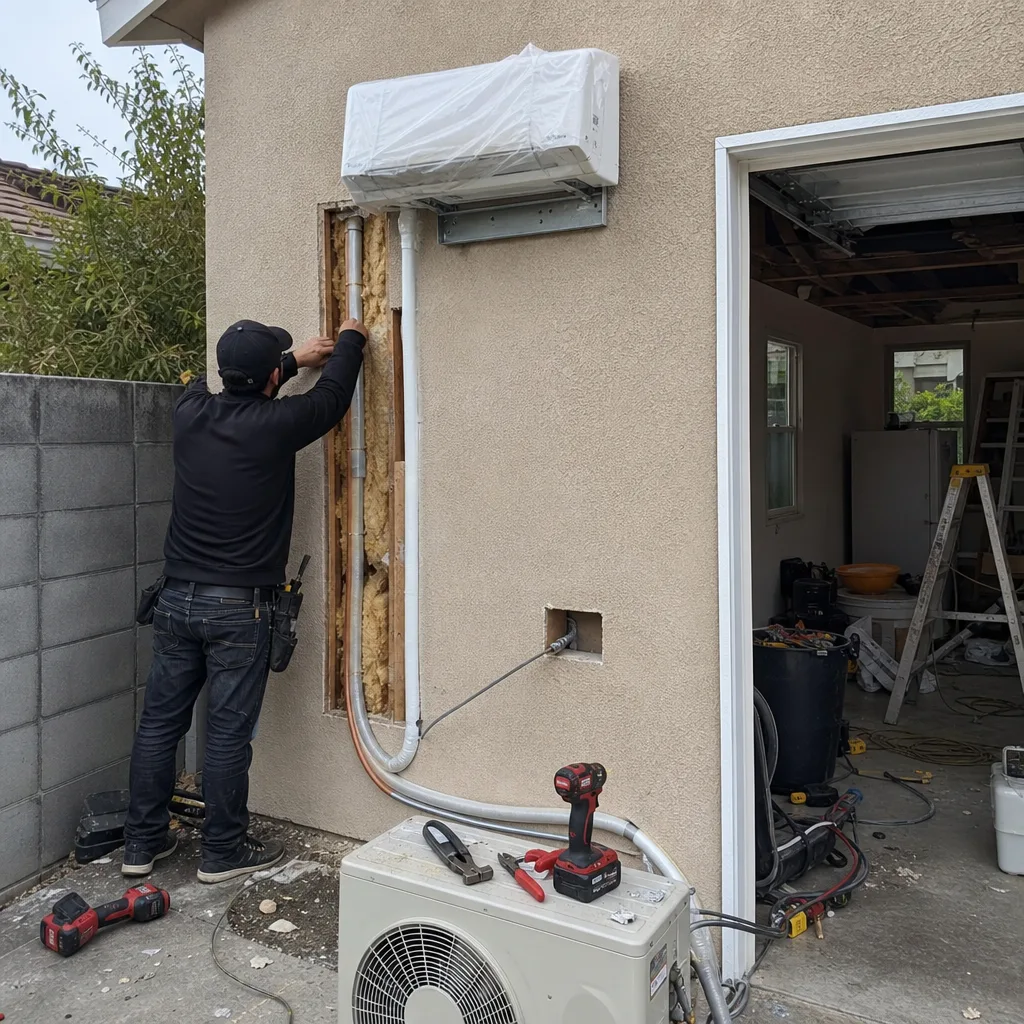
Chino Hills geography creates ADU complications that flatland contractors underestimate.
Hillside Development Restrictions
Parcels north of the 71 corridor and in areas like Vellano and Butterfield Ranch sit on slopes exceeding 15% grade. These trigger Chino Hills hillside development standards: geotechnical reports, engineered retaining walls, and modified setback requirements. A proposal that treats a hillside ADU like a flatland garage conversion will fail at plan check, or worse, after foundation excavation reveals unstable soils.
We’ve engineered new detached ADUs in Chino Hills on slopes up to 30%, with pier foundations and grade-beam systems that the permit set documented before breaking ground. The alternative, discovering the need mid-project, typically adds $15,000 to $40,000.
Fire Hazard Severity Zones
Much of northern and eastern Chino Hills is in a Very High Fire Hazard Severity Zone. This mandates: Class A roof assembly, exterior fire-resistant construction, defensible space compliance, and potentially dual-pane tempered glass. A permit set that doesn’t address these requirements specifically, with Chino Hills Fire Department pre-plan coordination, will be rejected.
We specify James Hardie fiber-cement siding and ignition-resistant roofing on hillside and fire-zone ADUs. These materials meet the code and the climate. Generic vinyl siding proposals do not.
HOA Constraints in Gated Communities
Chino Hills has numerous gated communities with active HOAs: Vellano, Oak Tree Downs, La Sierra. California law limits HOA prohibition of ADUs, but HOAs can impose design guidelines, height restrictions, and color/material requirements. A contractor who says “HOAs can’t stop ADUs” is technically correct and practically useless. The HOA can delay your project with design review, architectural committee hearings, and litigation that stalls permitting.
Our ADU Design & Permitting process in Chino Hills includes HOA pre-submission review where applicable, with written confirmation of compliance before city submittal.
Water and Septic in Rural Parcels
Western Chino Hills parcels outside city water service rely on wells and septic systems. An ADU adds bedroom count, which triggers septic capacity recertification under San Bernardino County Environmental Health Services. A proposal that doesn’t mention this step, with estimated costs for perc testing and system upgrade, is incomplete.
Common Mistakes to Avoid
- Signing a proposal with “TBD” or “allowance” for more than 15% of the budget. This is not a price. It’s a down payment on future negotiations. In Chino Hills, where finish costs run higher than inland averages due to freight and contractor travel time, undefined allowances routinely exceed $25,000.
- Accepting a permit set prepared for another jurisdiction. We’ve seen “Chino Hills” ADU plans with Anaheim municipal code references, or San Bernardino County unincorporated standards. Each jurisdiction’s amendments matter. A recycled permit set is a rejected permit set.
- Starting construction before permit issuance. Some contractors promise “faster timeline” by beginning while in plan check. This voids your inspection sequence. Chino Hills Building & Safety will issue a stop-work order, and you’ll pay to expose work for inspection.
- Ignoring the utility service upgrade. A 400-amp main panel for a single-family home with pool and EV charger may have no capacity for an ADU subpanel. The upgrade, including Edison coordination, can take 8 to 12 weeks. A timeline that doesn’t account for this is fantasy.
- Choosing a contractor based on lowest initial proposal. The lowest proposal typically has the highest allowance percentage, the thinnest permit set, and the weakest warranty. In our experience, the “savings” evaporate in change orders by month four.
- Failing to verify the contractor’s actual ADU experience. Kitchen remodels and room additions teach different skills than ADUs, which involve independent utility meters, separate addresses in some cases, and state law preemption of local restrictions. Ask specifically: how many ADUs have you permitted and completed in Chino Hills?
- Not requesting a documented photo record. Without dated photos of each phase, you have no evidence if disputes arise. Memory fades. Photos don’t.
When to Call a Professional
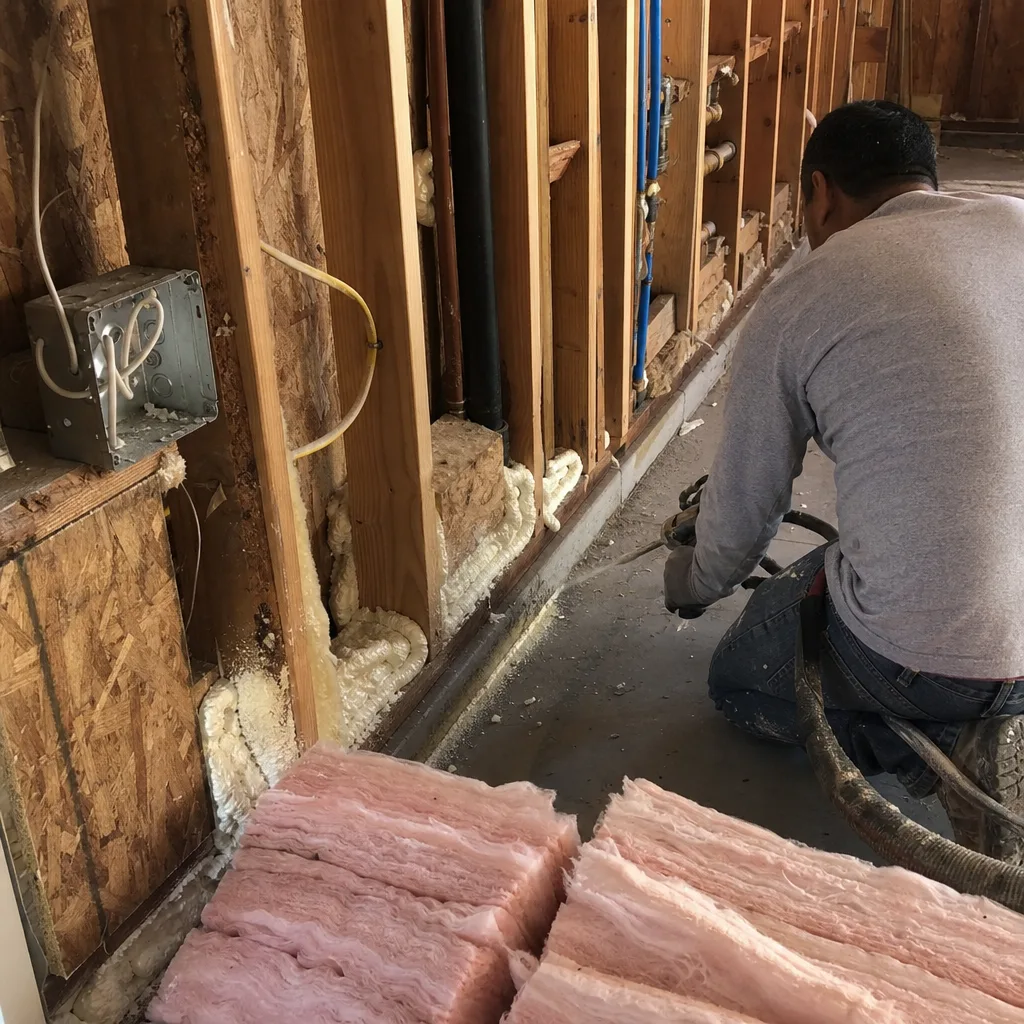
Call a design-build studio when you have a proposal in hand and something feels off. The proposal uses vague allowances. The timeline skips plan check. The permit set references generic code. The warranty excludes permit authority actions. These are not minor concerns. They are predictors of project failure.
Ellery ADU Studio Chino Hills offers free estimates with written pricing before any work begins, per Haven Standard Clause 1. We also provide a Free Second Opinion on any written estimate already in hand. If you’re evaluating a garage conversion ADU in Chino Hills or comparing proposals for a new detached unit, we’ll review the documents and tell you what we see. Call (951) 456-4467.
Frequently Asked Questions
Garage conversion ADUs in Chino Hills typically run $85,000 to $140,000 all-in, from drawings through final inspection. New detached ADUs range from $180,000 to $320,000 depending on size, hillside conditions, and utility complexity. Every Ellery ADU Studio project receives a written price before work starts, with no allowances and no change-order surprises, as outlined in The Complete Guide to ADU in Chino Hills. Call (951) 456-4467 for an exact quote on your parcel.
Chino Hills Building & Safety currently processes ADU plan checks in 4 to 6 weeks for initial review, with one correction cycle typical. Total permitting time, including pre-application consultation and final issuance, runs 8 to 12 weeks. A contractor promising permits in 2 weeks hasn’t worked in this jurisdiction recently.
Under Haven Standard Clause 1, our written price is fixed at contract signing. No door-side upsells, no scope creep, no “discovered conditions” that weren’t in the original site assessment. If we missed something in our due diligence, we absorb it. This is why we invest in thorough pre-construction documentation, including utility mapping and geotechnical review where hillside conditions apply.
We pull all permits as the design-build contractor of record. The permit set is our core product, prepared in-house, submitted under our license, and coordinated through plan check corrections. You receive copies of all approved documents and the final inspection sign-off. This single-responsibility model eliminates the designer-versus-builder blame gap.
Ask for: specific Chino Hills permit numbers from the past two years, the percentage of their proposal in allowances, their change-order authorization threshold, their lien release schedule, and their warranty language regarding permit authority corrections. Then verify the permit numbers independently through San Bernardino County records. A contractor who hesitates on any of these questions has something to conceal.
Yes, with proper specification and coordination. We work with Plant Prefab, Tuff Shed, and other manufacturers to integrate modular systems into Chino Hills projects under our single contract. The modular unit still requires site-specific foundation, utility connection, and Chino Hills Building & Safety approval of the manufacturer’s California-approved plans. A contractor who sells “drop it in and connect” is oversimplifying the jurisdictional reality.
The Bottom Line
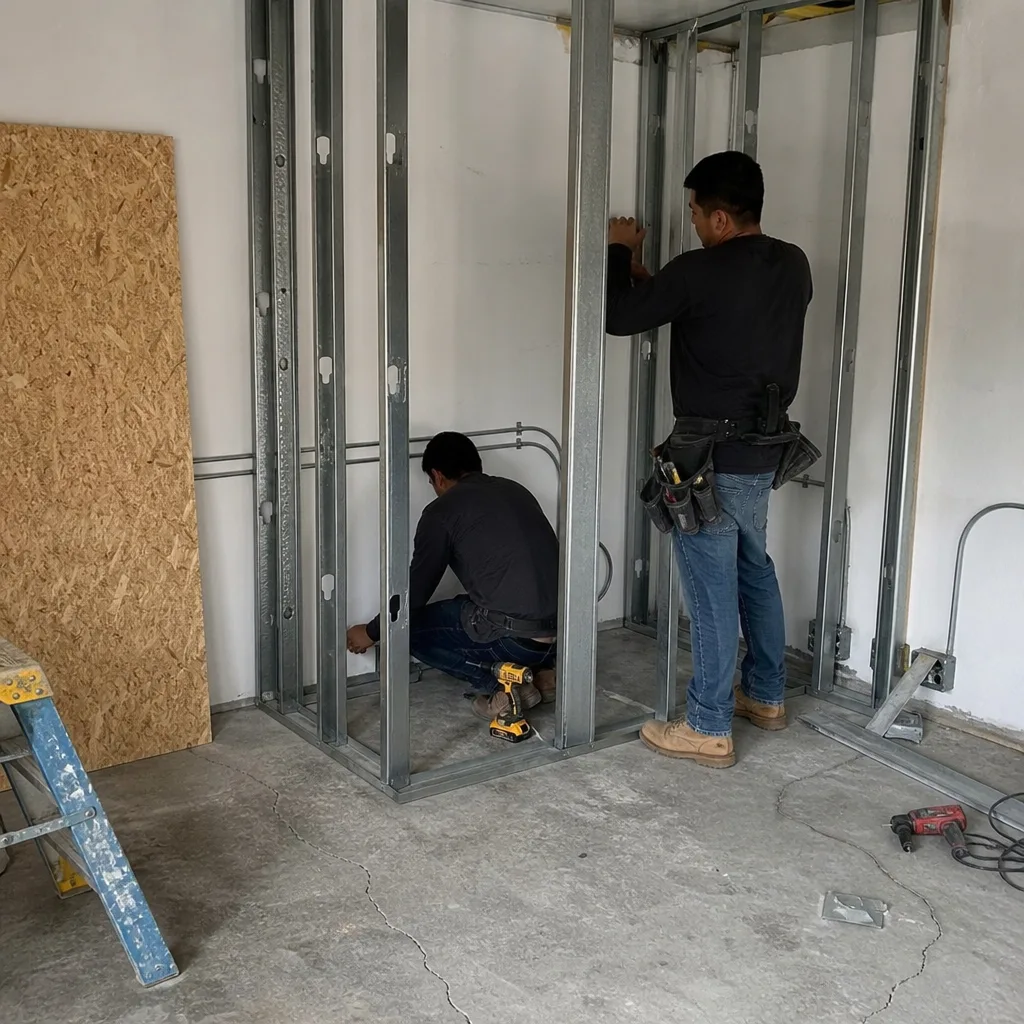
The warning signs of ADU failure are visible in the documents, not the dirt. A proposal with excessive allowances, a contract with no lien protection, a permit set with generic code references, and construction without posted permits, these are the predictors. The homeowner who reads carefully, verifies independently, and exits bad deals early saves far more than the homeowner who hopes for the best. In Chino Hills, with its hillside constraints, fire zones, and active building department, professional documentation isn’t a luxury. It’s the difference between a permitted, warranted ADU and an expensive problem.
Written by Nadia Ellery, Owner at Ellery ADU Studio Chino Hills, serving Chino Hills since 2015.