
James Hardie Site Prep & Utilities: The Chino Hills Owner’s Guide
James Hardie-compatible site prep and utility rough-in work in Chino Hills typically runs $4,800-$12,500 installed, depending on trench depth, existing utility locations, and whether your lot sits on the flatland near Chino Avenue or the graded slopes above Carbon Canyon Road. We stock James Hardie-specified moisture barriers, galvanized fasteners rated for HardieZone 10, and the ¾-inch conduit runs that most Hardie ADU panel systems require. Most homeowners discover a site prep or utilities failure when their Hardie siding installer refuses to begin panel attachment until the drainage plane, weep screed, or electrical stub-out meets manufacturer spec.
Which James Hardie Models This Applies To
James Hardie’s ADU and accessory structures fall into three product families that each carry different site prep demands. HardiePanel vertical siding, common on modern detached ADUs, requires a minimum 6-inch clearance from finished grade and a corrosion-resistant fastener schedule that changes based on whether you’re in wind-exposure Zone A or B. HardiePlank lap siding, often specified for garage conversions, needs a different drainage plane detail at the foundation transition. HardieShingle, rarer in ADU work but specified in some Chino Hills historic-district-adjacent projects, has its own starter-strip and ventilation gap.
To identify your exact system, check the specification sheet left by your original installer, or look for the small embossed code on the back face of a loose panel. The HZ10 designation matters in Chino Hills because it dictates galvanized vs. stainless fastener selection. We specify OEM James Hardie components where the warranty requires it, and we use structural-grade aftermarket equivalents only where the manufacturer allows substitution without voiding coverage. The paperwork should explain itself. If it doesn’t, the project isn’t ready.
Signs Your James Hardie Site Prep & Utilities Is Failing
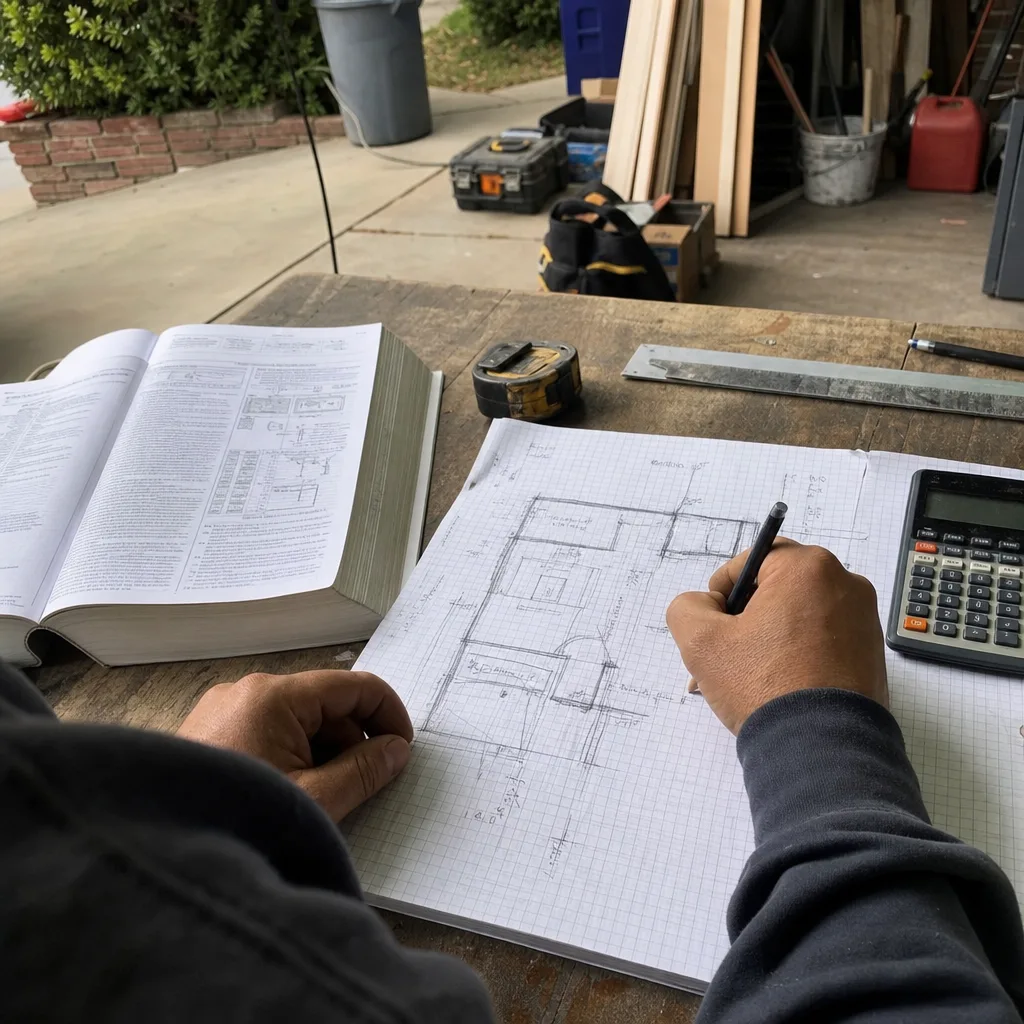
- Moisture staining at the base of Hardie panels. The drainage plane behind your siding has failed, or the weep screed was omitted at the foundation line. In Chino Hills, the clay-heavy soils along Peyton Drive and the Carbon Canyon corridor hold water against foundations longer than the sandy loam on the west side, accelerating capillary wicking.
- Panel edges swelling or delaminating. James Hardie fiber cement is dimensionally stable, but only when installed with the specified ⅛-inch gaps and proper flashing at horizontal joints. Gaps sealed with non-compatible caulk trap moisture and void the 30-year substrate warranty.
- Galvanized fasteners bleeding rust streaks. The original installer used standard zinc-coated nails instead of the stainless or hot-dip galvanized fasteners required for HardieZone 10. Chino Hills sits at the edge of the marine influence zone; morning condensation is enough to start corrosion on underspecified hardware within 18 months.
- Electrical stub-outs misaligned with panel layout. Your utility rough-in was done before the Hardie panel module was finalized, leaving boxes floating between courses or forcing field cuts that break the factory edge seal. This is a design-build sequencing error, not a part failure, but it stops installation cold.
- Foundation settlement cracking the skirt board or starter strip. Chino Hills hillside lots, particularly above Grand Avenue and along Butterfield Ranch Road, experience more seasonal soil movement than the flatland. A rigid Hardie installation without proper slip joints at the foundation will telegraph that movement into visible cracks within two to four years.
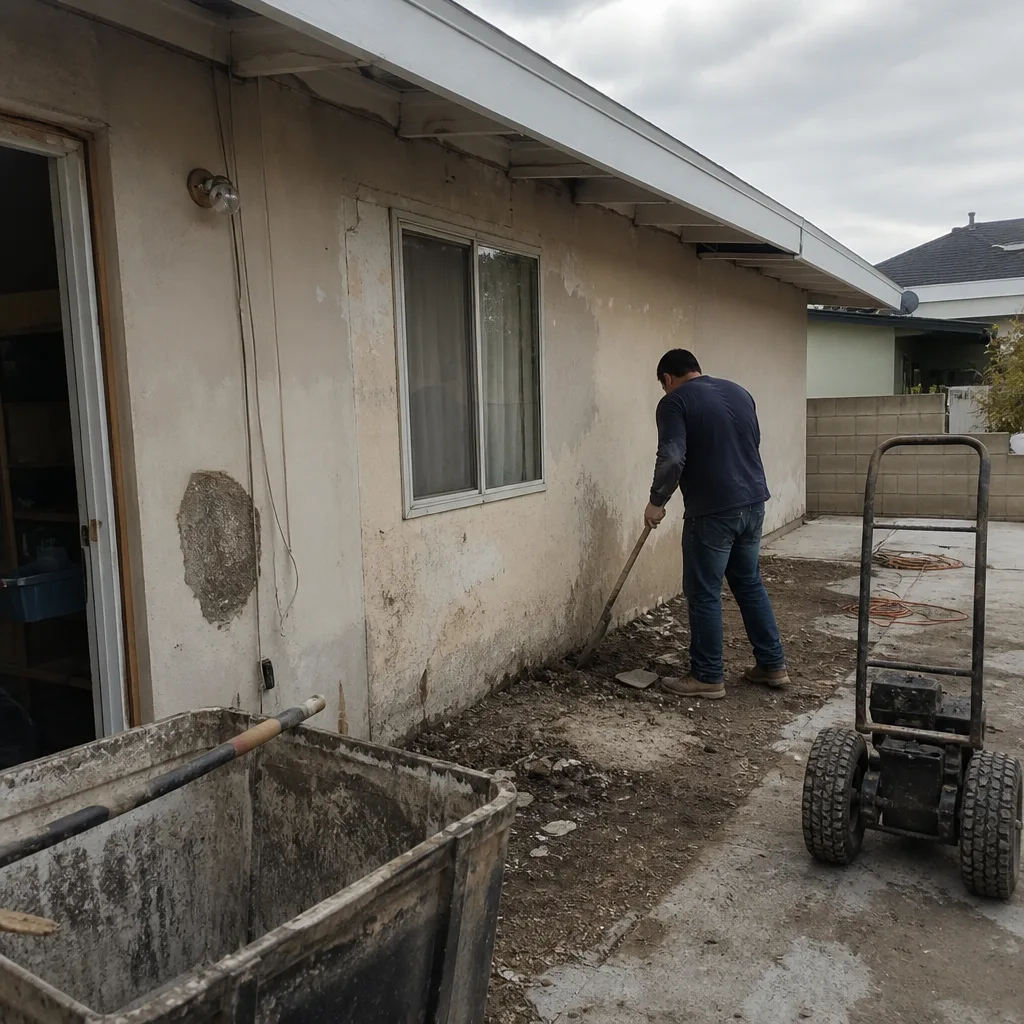 Before
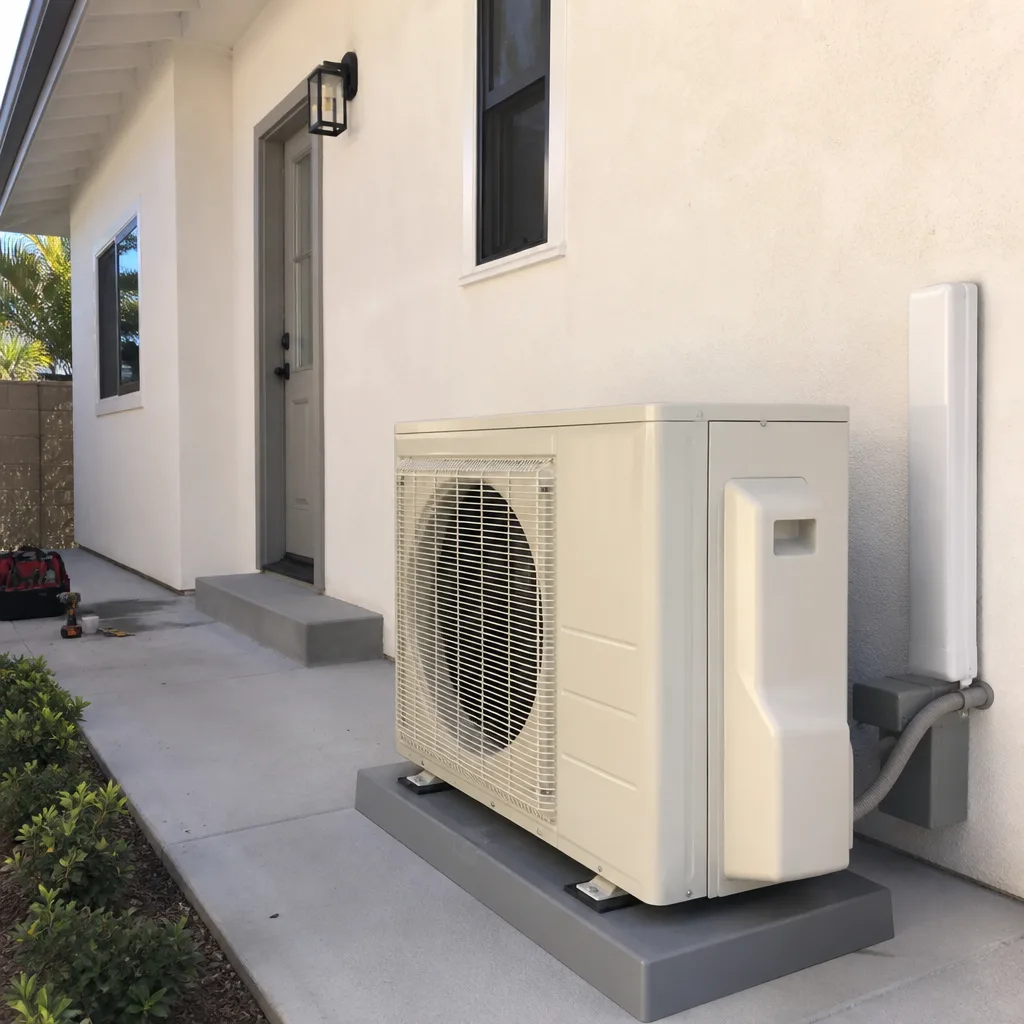 After
AfterReplacement Cost & What’s Included
| Component | Typical Range in Chino Hills |
|---|---|
| Drainage plane repair (moisture barrier + weep screed) | $1,800 - $3,400 |
| Fastener replacement (full structure, HZ10-spec) | $2,200 - $4,100 |
| Utility stub-out relocation (electrical) | $1,400 - $2,800 |
| Foundation skirt / starter strip reset with slip joints | $2,100 - $3,900 |
| Complete site prep package for new Hardie ADU panel install | $4,800 - $12,500 |
The spread depends on three factors: how much existing material must be removed without damaging the Hardie panels, whether we need to coordinate with Southern California Edison or the Chino Hills Public Works Department for utility shutoffs or encroachment permits, and slope access for equipment. Hillside lots requiring hand-dug trenching or retaining-wall work push toward the upper end. Every project is quoted with a written price before any work begins, per Haven Standard Clause 1. The scope is locked at signing; no door-side upsells, no scope creep. Our 365-Day Done Right Promise covers the installation workmanship, and we pull all required permits with inspections passed before we sign off.
DIY or Call Us?
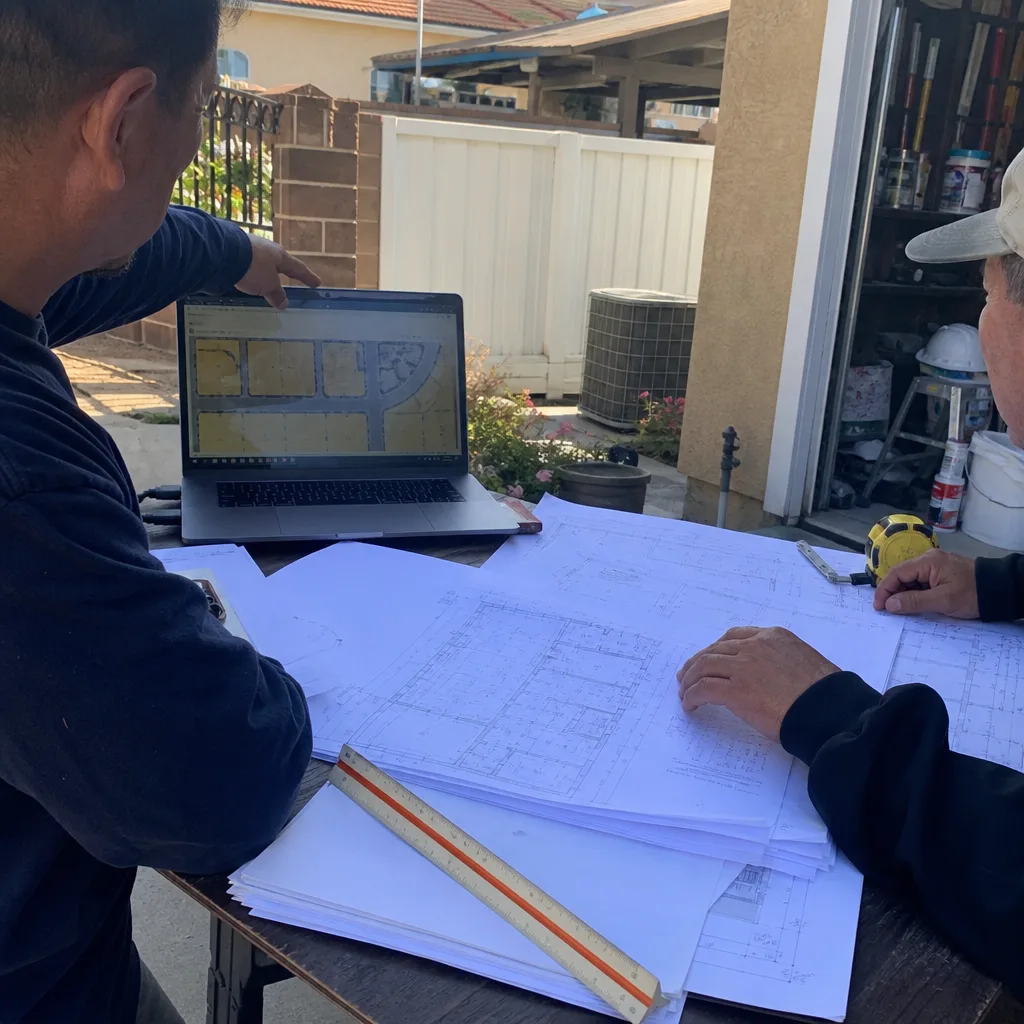
There is exactly one task a Chino Hills homeowner can safely perform without risking the James Hardie warranty or personal injury: the visual inspection. Walk the perimeter with a camera, document any staining, swelling, or fastener corrosion, and note the panel code embossed on the back of any loose piece. Do not attempt to remove or replace fasteners yourself. The torque specification on Hardie fasteners is precise, over-driving cracks the substrate, and under-driving leaves the panel susceptible to wind uplift in the Santa Ana conditions that hit Chino Hills each fall.
Utility rough-in work requires a C-10 licensed electrician and coordination with the city. Trenching deeper than 24 inches triggers Cal/OSHA shoring requirements. The drainage plane behind existing panels cannot be inspected without partial removal, and that removal risks cracking adjacent pieces if you don’t know the nailing pattern. We carry the Hardie-specified fasteners, the correct moisture barrier for your substrate type, and the permit knowledge to keep your warranty intact. Call (951) 456-4467 to schedule your free estimate.
FAQs
Properly installed Hardie site prep and utilities should last the life of the siding itself, 25 to 30 years, but only if the original installer used HardieZone 10-specified materials and maintained the required clearances. In Chino Hills, we’ve found that installations done during the 2019-2021 construction rush have a higher failure rate because standard-grade fasteners and generic moisture barriers were substituted during material shortages. Call (951) 456-4467 for an exact quote on your specific condition - estimates are free.
Localized repair is possible if the failure is isolated to one wall face or one utility stub-out, but partial repair risks creating a transition point where old and new materials behave differently under thermal expansion. We assess each project individually and document what we find with a photo record on every visit. Call (951) 456-4467 for an exact quote - estimates are free.
Most Hardie site prep and utility rough-in projects in Chino Hills take 3 to 6 working days, assuming no utility coordination delays. Projects on hillside lots with limited equipment access, or those requiring Southern California Edison service relocations, can extend to 10 days. We build that contingency into the written schedule before work starts, per Haven Standard Clause 5. Call (951) 456-4467 for an exact quote - estimates are free.
We stock the full fastener schedule for HardieZone 10, the specified moisture barriers, weep screeds, and flashing profiles that James Hardie ADU systems require. We do not stock the fiber cement panels themselves; those are project-ordered to color and texture. For utility components, we maintain standard conduit, boxes, and fittings on our trucks, with same-day pickup available for specialty items through our Chino Hills supply chain. Call (951) 456-4467 for an exact quote - estimates are free.
Written by Nadia Ellery, Owner, Ellery ADU Studio Chino Hills at Ellery ADU Studio Chino Hills, serving Chino Hills and nearby areas.