
Plant Prefab Site Prep & Utilities: The Chino Hills Owner’s Guide
Plant Prefab-compatible site prep and utility connections in Chino Hills typically run $4,200-$8,600 installed, depending on whether we’re tying into existing sewer lateral and electrical service or running new lines from the main. We stock the common connection kits and specify the trenching, conduit, and rough-in dimensions Plant Prefab units require, so most Chino Hills owners get same-day assessment and a written start date. Most owners discover a problem when the Plant Prefab unit arrives on the flatbed and the site isn’t ready - or when a winter storm in the Chino Hills hills shifts the access pad and cracks the utility stub-ups before the unit ever gets set.
Which Plant Prefab Models This Applies To
Plant Prefab builds three distinct product lines that reach Chino Hills: the LivingHome series (single-story and two-story), the Koto x Plant Prefab collaboration, and the custom Accessory Dwelling Unit program. Each ships with a utility matrix specifying stub-up locations, typically 18-24 inches below finish grade for sewer and 30 inches for electrical conduit in our Southern California climate zone. The critical compatibility gotcha: Plant Prefab’s 2021-2023 LivingHome models used a 4-inch ABS sewer stub with a specific offset pattern that doesn’t align with standard 3-inch residential lateral connections. We keep both adapter kits on our Chino Hills trucks because pulling the wrong spec from Plant Prefab’s documentation - they’ve revised the detail twice - costs a day and a re-dig.
OEM versus aftermarket for Plant Prefab site prep is straightforward. The waterproofing membrane at the utility penetration points is proprietary - Plant Prefab sources a modified bitumen sheet from a single supplier - but the PVC electrical conduit, copper water service, and sewer lateral materials are commodity items we specify to equal or better grade. We document the substitution in the permit set so the inspector sees the match. Under Haven Standard Clause 1, every line item appears in writing before we break ground.
Signs Your Plant Prefab Site Prep & Utilities Is Failing
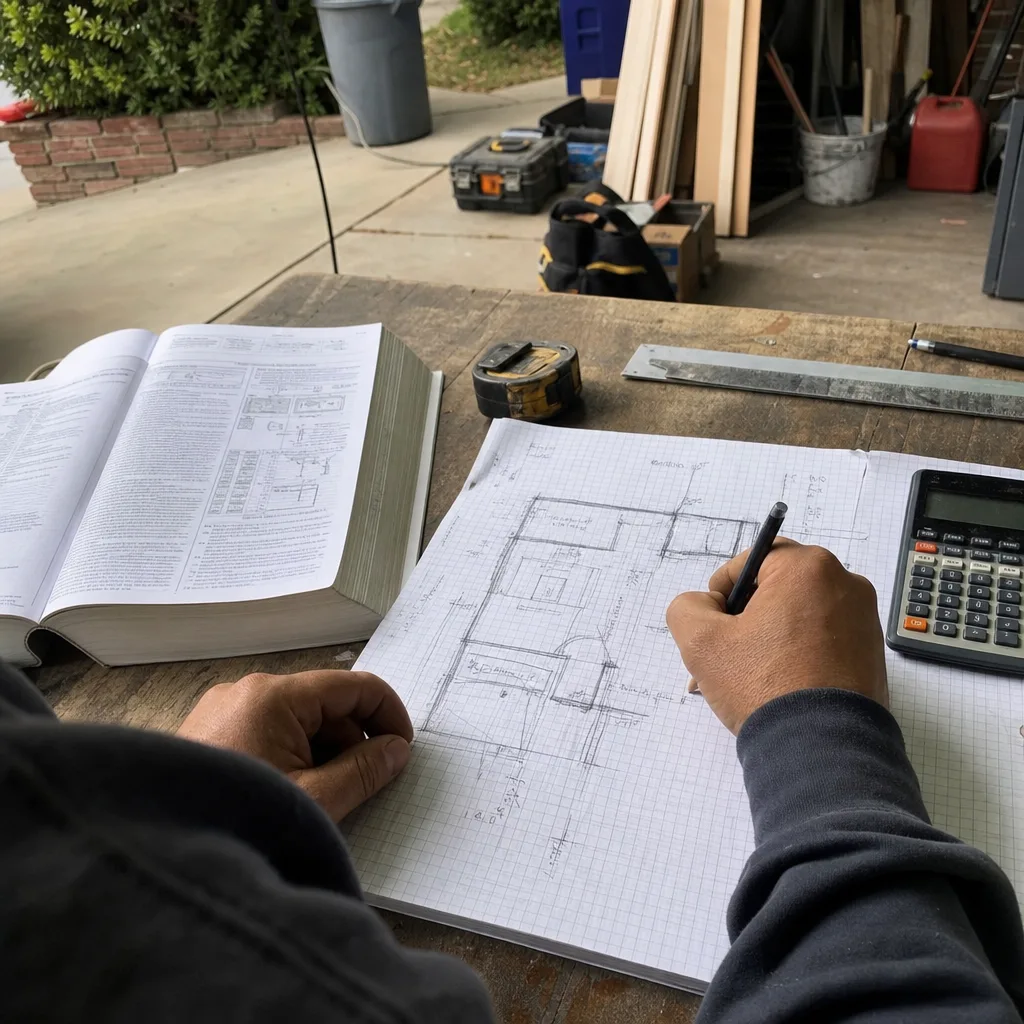
- Water pooling at the utility stub-ups after rain. The Chino Hills clay-hold soil expands and contracts through our dry summers and brief wet winters, eventually separating the compacted base from the concrete pad. Water finds that gap, sits at the penetration, and tests the membrane. We see this most often on the hillside lots above Carbon Canyon Road where the slope accelerates runoff concentration.
- Sewer backup or slow drainage in the Plant Prefab unit shortly after occupancy. The 2-percent grade on the sewer lateral got disturbed during final grading, or the cleanout was buried below landscape finish. Plant Prefab’s units don’t tolerate much back-pressure - the macerating systems in some floor plans are sensitive to flow restriction.
- Electrical panel throwing ground fault errors on circuits serving the unit. The underground feeder conduit took moisture at a joint, or the original installer used standard PVC where Schedule 80 was specified for the depth. Chino Hills gets enough heat-cycling in the upper 90s to stress underground joints over three to five years.
- Gas pressure drop during peak demand (heating, cooking, water heater all running). The meter capacity was adequate for the main house but not sized for the ADU addition, or the corrugated stainless steel tubing run has a hidden kink from the set crane. This one we catch during pre-set pressure testing - if the owner scheduled it.
- Access pad cracking or settlement visible at the unit perimeter. The 6-inch minimum compacted base wasn’t achieved, or the geotextile layer was omitted. Plant Prefab units run 30,000-60,000 pounds; they find a weak spot and telegraph it through the frame. We’ve replaced pads on two-year-old installs in Chino Hills where the original grading contractor used native soil instead of imported Class 2 base.
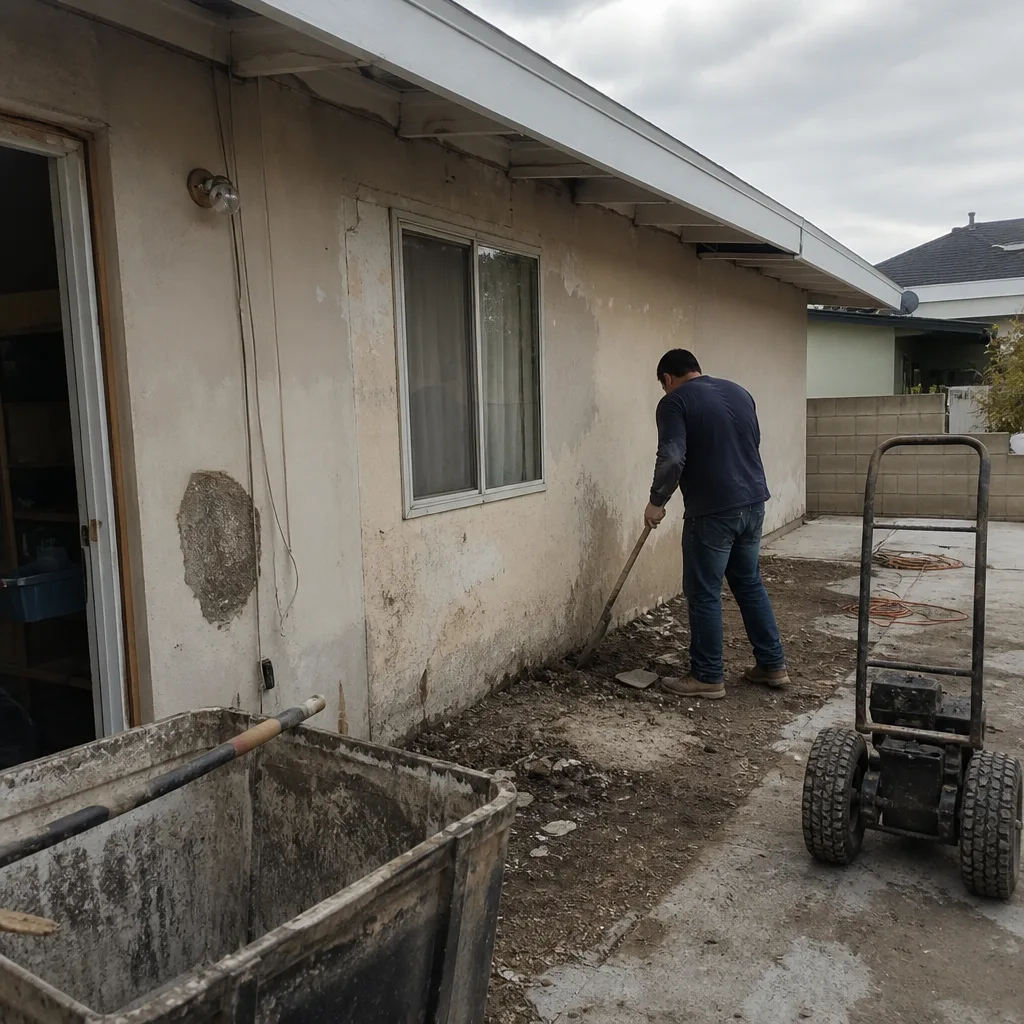 Before
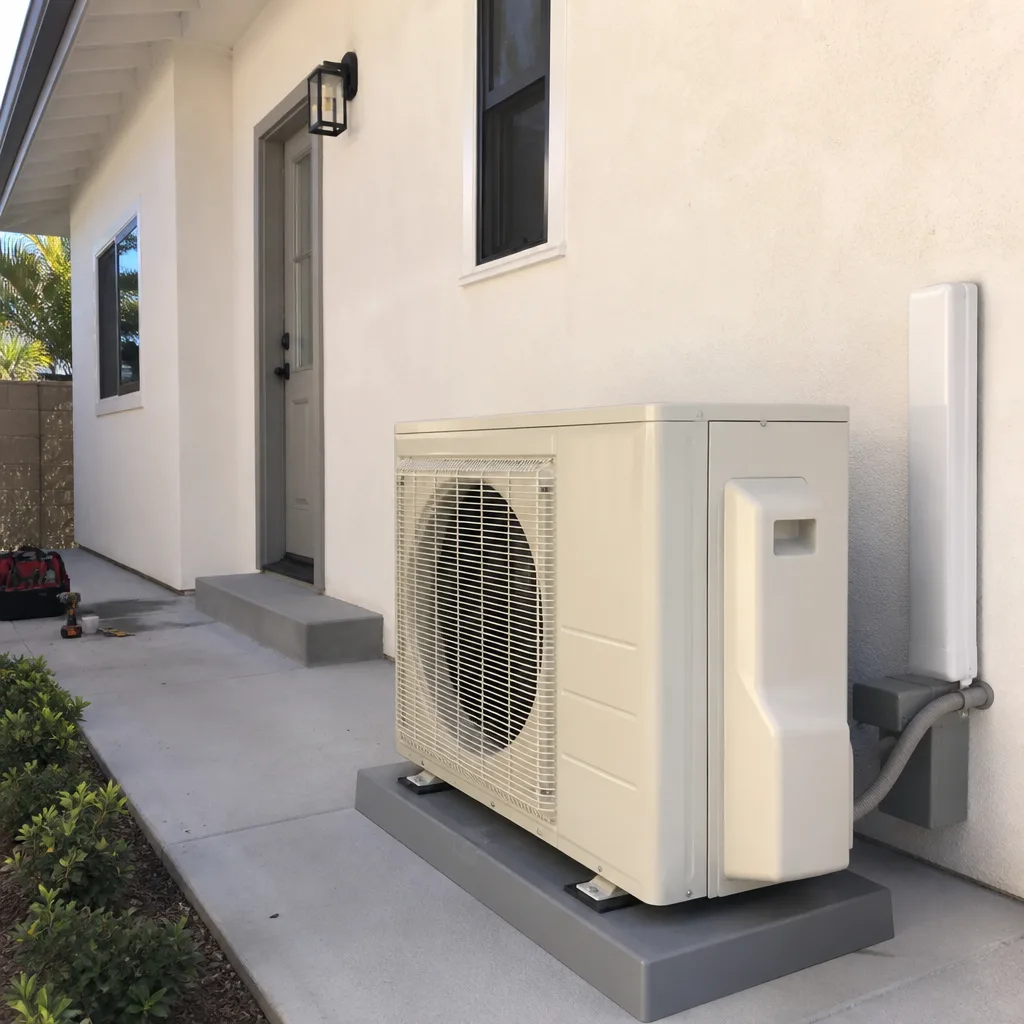 After
AfterReplacement Cost & What’s Included
In Chino Hills, full utility replacement for a Plant Prefab ADU - sewer lateral, water service, electrical trench and conduit, gas line, and access pad reconstruction - typically runs $6,800-$12,400. Partial work, such as electrical service upgrade and pad repair with existing lateral intact, falls in the $4,200-$6,500 range. The spread depends on three factors: distance from the main house to the set location (trenching linear feet), whether we hit granite shelf in the Chino Hills foothills, and if the city requires a new sewer capacity certification - Chino Hills Public Works sometimes does for hillside lots with shared laterals.
Every quote is itemized: materials, labor, equipment, permit fees, and inspection scheduling. Under Haven Standard Clause 5, that scope locks at signing. The 365-Day Done Right Promise covers the utility connections specifically - if the pad settles or a joint fails inside twelve months, we return and correct it at our cost, documented with before-and-after photos you receive by email.
DIY or Call Us?
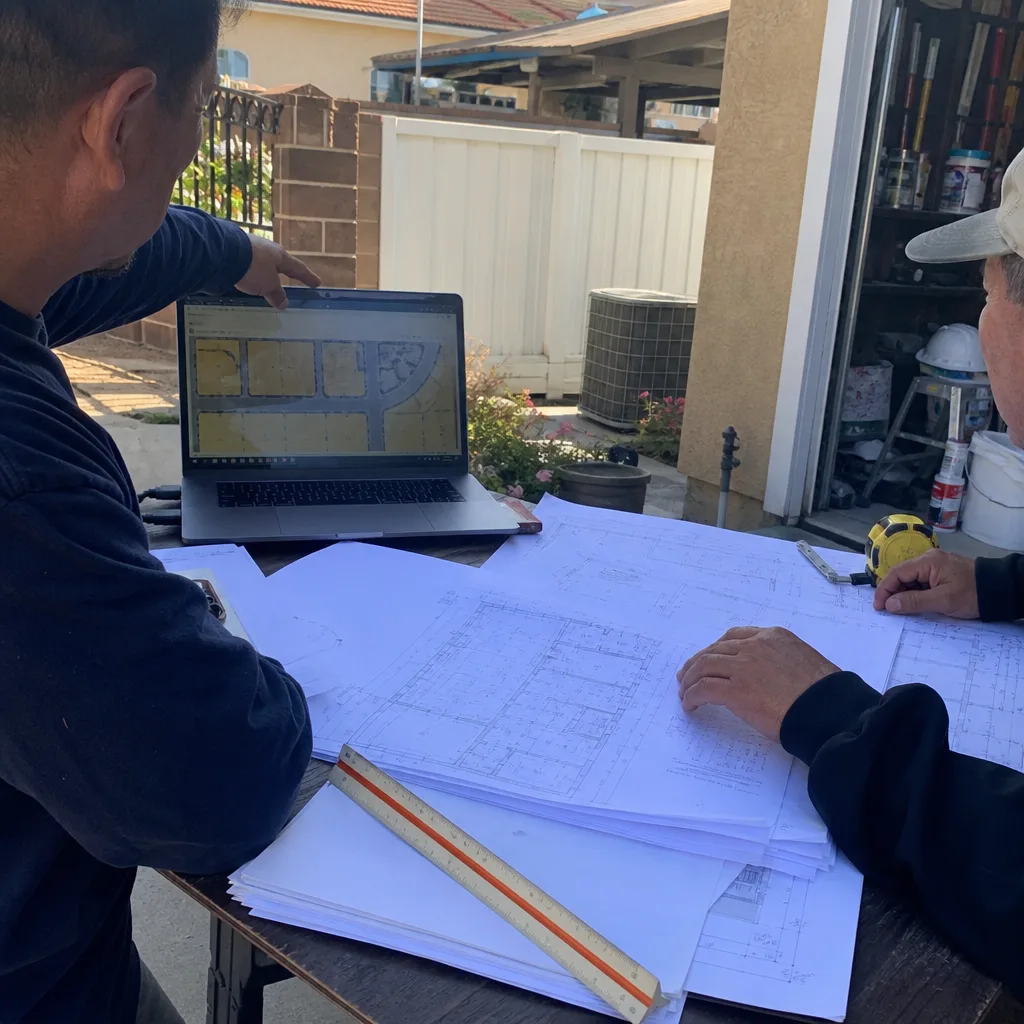
An owner can safely verify three things before calling: the utility stub-up labels against Plant Prefab’s shipping diagram, the pad perimeter for visible cracking or erosion, and the electrical disconnect for corrosion. What goes wrong fast: trenching within 18 inches of gas or electrical lines without utility locate clearance (811 doesn’t catch private lines past the meter), setting sewer grade without a laser level, or compacting base in lifts thin enough to pass inspection. The Chino Hills building inspector will red-tag a pad that doesn’t hit 95 percent relative compaction on the nuclear gauge test - we’ve seen owners rent plate compactors, work six weekends, and still fail.
We’re not affiliated with Plant Prefab. We’re an independent design-build studio that specifies and coordinates their systems under our single contract. If your unit is on order and the site isn’t ready, or if you’re two years in and the pad is failing, call (951) 456-4467. We’ll walk the property, match your model year to the right spec, and give you a written price before any work starts.
FAQs
Properly installed sewer and water lines last 50-plus years; the access pad and waterproofing at penetrations typically need attention at 8-12 years in Chino Hills due to our thermal expansion cycle and occasional heavy rain years. The paperwork should explain itself. If it doesn’t, the project isn’t ready. Call (951) 456-4467 for an exact quote - estimates are free.
Partial repair is possible if the sewer lateral grade is intact and the pad settlement is under one inch - we can mud-jack the pad and reseal penetrations for roughly 40 percent of full replacement cost. If the membrane has failed or the electrical conduit has taken water, replacement of that run is necessary. Call (951) 456-4467 for an exact quote - estimates are free.
Three to five working days for the physical work, plus permit turnaround - Chino Hills Building & Safety typically reviews ADU utility permits in 10-14 business days, though we’ve seen faster for straightforward replacements on existing approved pads. We schedule inspections as part of the contract; you don’t call them yourself. Call (951) 456-4467 for an exact quote - estimates are free.
We stock the common sewer adapters, electrical conduit and pull boxes, waterproofing membrane, and compactable base materials on our Chino Hills trucks; proprietary Plant Prefab items like the LivingHome-specific threshold drain detail we order direct with a three-day lead time. Call (951) 456-4467 for an exact quote - estimates are free.
Written by Nadia Ellery, Owner, Ellery ADU Studio Chino Hills at Ellery ADU Studio Chino Hills, serving Chino Hills and nearby areas.